If you have a Botox appointment on the calendar, the part you’re probably most curious about isn’t the few minutes in the chair, it’s the next ten days. That is when the tiny injections do their real work, when swelling and mild bruising settle, and when you decide whether you love the result or want a small tweak. I have guided first time Botox patients and long time regulars through every version of this arc, from baby Botox for fine lines to masseter treatment for TMJ. A smooth recovery is not an accident. It comes from realistic expectations, right aftercare, and knowing what’s normal at each stage.
Below is a practical, day by day guide to the Botox healing process, with notes on comfort, appearance, and when to call your provider. I’ll weave in common use cases, from a Botox lip flip to a brow lift, and answer the questions that come up in real consult rooms.
What is actually happening under the skin
Botox is a brand of botulinum toxin type A. In medical terms it is a neuromodulator, not a filler. It doesn’t plump, it quiets. The medication blocks the release of acetylcholine at the neuromuscular junction, which prevents specific muscles from contracting fully. On the face that means softening the dynamic lines you make when you frown, raise your brows, smile, squint, or purse your lips. The classic zones include the glabella for 11 lines, forehead, and crow’s feet. Off face, masseter injections can reduce clenching and slim the jawline over time, and dosing in the underarms can help with excessive sweating.
Because the mechanism is biochemical, you won’t walk out of a Botox treatment looking different. The medication binds to nerve endings over several hours, then the effect builds over days as the treated muscles relax. Visible change tends to start around day two to four, often with full results at day 10 to 14. This is true whether you chose preventative Botox with small units or a standard dosing pattern for established wrinkles.
The hour after your injections
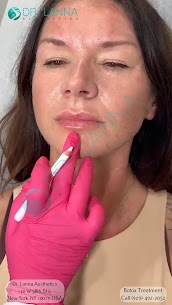
Right after a Botox procedure, the treated spots may look like tiny mosquito bites, most noticeable along the forehead and crow’s feet where the skin is thin. This fades over 15 to 60 minutes. It may feel tender if you touch it. Your injector may dab a small amount of pressure or apply a cold pack briefly. If you are someone who bruises easily, petechiae or pinpoint bleeding can happen, usually at a site where the needle grazed a small vessel. That is not a sign anything went wrong.
Avoid rubbing or massaging the area, especially for the first four to six hours. The goal is to let the medication stay where it was placed. Skip hats that press hard on the brow, tight headbands, or a nap that puts direct pressure on one side of the face. You can move your facial muscles normally. Some providers suggest lightly making expressions in the treated area for a few minutes, although evidence on whether that speeds onset is mixed. It does not hurt.
A practical note for those who book Botox near lunch and head back to work, makeup can be reapplied with a clean brush or sponge after the skin has settled. Keep it light. Heavy rubbing defeats the purpose.
Day 1: Stay upright, keep it simple
The first 24 hours matter more than the rest of the week combined. Stay upright for four hours after your appointment. That simple rule, along with avoiding pressure and massage, is https://www.facebook.com/people/Doctor-Lanna/100063709292608/# enough for most people. Skip hot yoga, a long run, or a steam room. Heat and heavy exertion can increase blood flow and the risk of Botox spreading to adjacent muscles you did not intend to treat.
You may see faint redness at injection points. This is especially visible if you had Botox for the forehead or between the brows because those zones get more passes with a fine needle. If you opted for a Botox lip flip, expect a touch more tenderness in the upper lip than other areas, and be gentle when eating. If you had Botox for TMJ in the masseter, the skin over the jaw may feel slightly sore with chewing, like a mild workout.
Photoshopping your expectations helps here. There is no before and after on day one. The absence of change does not mean the treatment failed. The medication is binding beneath the surface.
Day 2 to 3: The first hints of effect
Some patients wake on day two and notice a tiny change in their frown lines, more like a softening than a stop. For others, it is day three or four. This staggered start is normal. Each muscle, and each person, turns over acetylcholine at a slightly different rate.
Bruising, if it happens, tends to show itself now. A bruise the size of a grain of rice at one injection site can look dramatic in photos but hides well with concealer. Arnica gel can be used, though the evidence for faster resolution is modest. If an important event is looming, cold compresses for short intervals can help with any swelling.
This is also when you might feel pressure-like headaches, especially if you are new to Botox for the glabella or forehead. They are usually mild and resolve on their own within a day. Hydration and sleep help. If you need medication, acetaminophen is preferred. Avoid NSAIDs if bruising is present unless your doctor advised otherwise.
Early functional changes show up with targeted treatments. For example, with a Botox brow lift, you may feel that the tail of your brow no longer scrunches downward when you squint. With a Botox lip flip, sipping from a narrow straw might feel different because the upper lip everts slightly.
Day 4 to 7: The visible shift
This window is where the transformation becomes noticeable. Crow’s feet smooth when you smile, 11 lines soften when you concentrate, and the forehead looks more rested even without makeup. Most people describe the sensation as lighter, not frozen. If you asked for natural results, your injector likely used a dose that allows micro-movement while blurring the fold. First time Botox patients often say this is the point they finally relax, because they can see it working without feeling odd.
Makeup application feels different. Foundation no longer gathers in etched lines across the brows, and you may need less concealer under the eyes. If you had Botox for under eyes or bunny lines at the nose, be careful with setting powders so you don’t over-dry delicate skin while it is settling.
Botox for masseter starts its work too, though jawline contour changes take longer. Chewing dense foods may feel easier if you had injections for TMJ, but true slimming happens over weeks as the muscle reduces in bulk. For migraine patients, the timeline depends on the protocol and history, but reduction in frequency and severity often shows up after the second week and improves with maintenance.
By day seven, most small bruises have cleared or turned faint yellow and are easy to cover. Any swelling should be gone. If you see asymmetry at rest that wasn’t there before, do not panic. Minor imbalances are common at this stage and often even out by day 10 to 14 as all injection points reach steady state.
Day 8 to 14: Peak results and fine tuning
This is your Botox before and after moment. The neuromodulator effect is close to maximum around day 10 to 14. For many, this is when you decide whether a touch up makes sense. A common scenario is a single stubborn line in the brow that still creases more than its neighbors, or a tiny lift needed in the lateral brow to match the other side. Most Botox specialists build a two week follow up into their practice for exactly this reason.
If you had Botox for gummy smile, assess your smile in good light and in photos. It should look natural, not stiff. If it feels too tight when you pronounce certain words, that often settles in the next week. With a Botox lip flip, evaluate the balance when talking and laughing. The goal is a subtle eversion that makes the upper lip show slightly more, not a dramatic change.
People with thicker facial muscles, such as men seeking Botox for forehead and glabella, sometimes peak closer to day 14 than day 7. Dose and distribution matter. An experienced Botox nurse injector or doctor will dose by muscle strength, not just by gender, but trends exist. If you have very expressive brows and wanted conservative dosing, expect to accept a little motion to keep the face animated. That is a trade most professionals prefer for first time patients.
After two weeks: The steady phase
Once you hit the two week mark, your Botox results maintain a fairly stable look for several weeks. Makeup goes on faster. Photos look kinder. Skin care often looks more effective because lines no longer dominate. Zoom aside, mirrors are more pleasant.
How long does Botox last depends on several variables: dosage, individual metabolism, the muscle treated, and your habits. Typical ranges are three to four months for the glabella, forehead, and crow’s feet. Masseter and neck band treatments can feel active for four to six months, sometimes longer, because those muscles are larger and get higher units. Preventative Botox with smaller units may wear off closer to 8 to 10 weeks. If you are an athlete with a very high metabolism, you may be on the shorter end. If you are more sedentary, you may sit on the longer end. None of this is a problem, it is a pattern to track so your maintenance plan is dialed in.
Touch ups are different from full treatments. A Botox touch up at two weeks typically involves a small number of additional units to refine symmetry or address a line that needs a bit more relaxation. A maintenance visit three to four months later is a full session, not a micro top off, to keep results consistent. Stretching treatments too far apart can lead to a cycle of peaks and valleys in your look. Some patients prefer to let everything wear off before re-treating, which is fine if variability does not bother you.
A simple day-by-day guide for the first week
This is the quick version you can save to your phone. It covers comfort, activity, and what you should see, assuming a standard Botox for face session.
- Day 0: Leave the clinic and stay upright for 4 hours. No rubbing, no intense exercise, no sauna. Mild redness or pinpricks fade in an hour. Day 1: Normal day with gentle skin care. Skip heavy sweating or tight hats. No massage or facials. Day 2 to 3: First hints of softening, possible small bruise shows up. Light headaches can occur. Concealer is fine. Day 4 to 7: Clear changes in lines when you emote. Most bruising gone. Avoid facials or microcurrent in treated areas. Day 8 to 14: Peak effect. Evaluate symmetry and function. Schedule a touch up if needed.
Skin care and makeup that help, and a few that don’t
You don’t need a new routine after Botox, but the right choices reduce downtime. Gentle cleansing and hydrating the first night is enough. Hyaluronic acid serums pair well with smoother skin, giving a hydrated look that highlights your Botox benefits. If you’re adding retinoids or exfoliating acids, wait 24 hours, then ease back in. A vitamin C serum in the morning keeps long term collagen goals on track.
A few specific tips matter in the first couple of days. Avoid dermal rollers, microcurrent devices, gua sha, or heavy massage over treated zones for at least two days. Not because the product will migrate days later, but because there is no upside to pushing on freshly treated muscles while the medication is settling. Avoid facials and lasers in the exact areas for a week unless your provider says otherwise. SPF is non-negotiable. Nothing preserves the look of Botox like consistent sun protection.
Makeup is fine day-of once the skin calms. Use a clean sponge to dab, not drag. A light, stretchy concealer is better than a heavy, dry formula if you had Botox for eyes or under the brow. Powder with a soft brush if you must, but less is more because skin texture already looks improved.
What is normal to feel, and what is not
Normal experiences include a sense of heaviness in the brow between days two and five, tiny bumps that resolve within hours, localized tenderness, and mild headache. Normal also includes discovering you make expressions you never noticed, like a subtle nose scrunch that shows bunny lines once the glabella is quiet. This can be addressed in future sessions with very small units to balance the face.
What is not expected is drooping of the eyelid, called ptosis, which shows up as a lowered upper lid on one side and can happen if Botox affects the levator muscle. It is uncommon with modern techniques but possible, usually revealing itself between day three and seven. If it happens, call your provider promptly. Eye drops like apraclonidine or oxymetazoline can stimulate a different eyelid muscle and help lift the lid while the Botox effect fades. The condition is temporary, generally improving within weeks.
Other red flags include severe, spreading pain, signs of infection at an injection site, or severe asymmetry that worsens beyond two weeks. For those with Botox for neck bands, swallowing difficulties are rare but require prompt medical attention if present.
Dosing, units, and why your friend’s result isn’t your template
Patients often begin the consult with how much Botox they need. The answer lies in the size and strength of the muscles, not in a fixed unit count. The glabella region might take 10 to 25 units in many women, and 20 to 30 in many men, but those are ranges. Forehead dosing is balanced against the glabella to avoid a heavy brow. Crow’s feet dosing often runs 6 to 12 units per side. A Botox lip flip is typically 4 to 8 units total. Masseter treatments for TMJ or slimming range widely, from 20 to 40 units per side depending on function and aesthetics. The neck can vary widely based on band pattern.
If the goal is Botox natural results, especially for first time Botox, a conservative plan is smart. It is easier to add at a two week check than to wait out an overtreated area. Preventative Botox for fine lines uses fewer units and longer intervals at first, then can be scaled up as lines deepen with age. There is no universal best age for Botox. The right time is when dynamic lines are visible enough to bother you or when migraines or hyperhidrosis need treatment.
Safety, side effects, and realistic risk
Is Botox safe is a fair question. In healthy adults, when injected by a trained Botox provider, it has a strong safety record backed by decades of use. Side effects are usually mild and temporary: bruising, headache, tenderness, and short lived redness. Less common effects include eyelid ptosis, brow asymmetry, smile quirks after a lip flip, or temporary chewing fatigue after masseter treatment. These issues are technique sensitive. This is why choosing a Botox specialist or experienced nurse injector matters as much as the brand on the vial.
Long term effects of Botox, in normal aesthetic dosing and spacing, do not include dependence or skin thinning. If anything, many patients report that etched lines soften over time because the skin is not creased as hard or as often. Muscles can atrophy slightly with repeated treatments, which is part of why some units can be reduced later.
There are edge cases. If you are planning a big life event, leave a two week buffer between Botox and the day you need to look your best. If you are prone to migraines, alert your injector so dosing and pattern can be tailored, or consider a medical protocol. If you have a neuromuscular disorder, or you are pregnant or breastfeeding, Botox is typically avoided.
What to avoid after Botox and why
Rules work better when you know the reason behind them. Gravity and diffusion explain most `botox` `New York` of the do nots in the first day. Lying down immediately or pressing the brows risks pushing the medication into adjacent muscles. Vigorous workouts and heat increase circulation, which could carry molecules farther than intended during the initial binding phase. Alcohol and NSAIDs before and right after can increase bruising. Facials, massage, or microcurrent across the treated area are postponed for a week so you don’t counteract the dosing precision.
After day two, most of these cautions fade. Live normally. Keep sunscreen on, use your skin care, and don’t chase every micro-asymmetry in the mirror. If something still bothers you at day ten, that is the moment for a quick check.
Cost, value, and why “deals” can mislead
Questions about Botox cost and price per unit come up in every consultation. In most cities, Botox unit cost sits in a range rather than a single number. A lower price does not always mean lower quality, but steep discounts deserve scrutiny. It is fair to ask about the number of units planned, the injector’s experience, and whether you are receiving brand-name medication. Botox packages or promotions can be legitimate if they are transparent and don’t pressure you into overtreatment.
Value is result over time. The cheapest session that delivers a short, uneven outcome is not a deal. The right dose in the right muscle from a steady hand extends the interval between visits and keeps you looking like yourself. If you are searching “botox near me” and combing through botox reviews, prioritize providers who show consistent botox before and after photos, answer questions clearly, and offer a two week follow up. That is what a patient-centered Botox service looks like.
When to pair Botox with other treatments, and when not to
Botox vs fillers is a classic comparison. They address different issues. Botox smooths dynamic lines by limiting motion. Fillers restore volume or contour. For deep set nasolabial folds or a recessed chin, Botox is not the tool. For forehead lines that only show when you raise your brows, filler is not the answer. Pairing them can be powerful when planned, but spacing matters. Most injectors prefer to do neuromodulators first, then fillers on a separate visit or after a short interval. Skin treatments like microneedling or lasers are typically scheduled before Botox or at least a week after, depending on the device and area.
If you are exploring alternatives, Dysport, Xeomin, and Jeuveau are types of neuromodulators with similar effects. Onset and diffusion characteristics vary slightly. Botox vs Dysport is a common swap for those who feel one brand wears off too fast or spreads differently in a given area. Your injector’s familiarity with a product often matters more than micro differences in a study.
A compact aftercare checklist you can actually follow
Keep this focused. It covers the essentials and avoids overthinking.
- First 4 to 6 hours: Stay upright, avoid rubbing, skip sweat sessions and saunas. First night: Gentle cleanse, hydrate, no tools or massage. Light makeup is fine. First 48 hours: No facials or microcurrent on treated areas. Avoid tight hats or pressure on brows. Day 3 to 7: Expect visible softening. Use SPF. Reach out if you see alarming asymmetry or worsening headaches. Day 10 to 14: Assess results in good light. Book a touch up with your Botox expert if needed.
Final notes from the chair
The Botox healing process is short, but it deserves respect. The best outcomes happen when you and your injector agree on a plan, set realistic milestones, and resist the urge to tinker too soon. If you’re new, consider starting with fewer units, especially in the forehead where over-relaxing can make brows feel heavy. If you are returning, bring notes on how the last round aged across weeks, including when motion came back and any quirks. Your face is a moving target. Good injectors adjust.
There is also room for personal preference. Some patients want the glassy, unmoving forehead seen on red carpets. Others want the slightest lift in the tail of the brow and nothing more. Men often prefer a lower dose to keep a natural furrow for expression. Masseter patients sometimes split the difference, reducing clenching while maintaining chewing power. None of these is the only right approach, they are choices.
If you are weighing Botox services and trying to pick a Botox provider, look for quiet competence rather than flashy promotions or deep Botox discounts. Ask how they would handle a touch up, how many Botox units they anticipate, and what to avoid after Botox in your specific case. The details in those answers tell you more than any ad.
Give your treatment two weeks. Most of the healing happens while you live your life, not while you study the mirror. Then enjoy the simplest benefit of Botox, a face that looks like it slept well and stopped fighting with your expressions. That is what good work looks like.